Skilled Carpenter for Custom Woodwork Solutions
An experienced carpenter performs a crucial role in bespoke woodwork solutions. Their expertise guarantees that projects are completed with accuracy and innovation. From custom cabinetry to distinctive shelving, these professionals transform ideas into functional pieces. Understanding the qualities that define a proficient carpenter can greatly influence the outcome of a project. Knowing how to successfully collaborate and budget is just as important. What essential factors should one take into account when initiating such a custom endeavor?
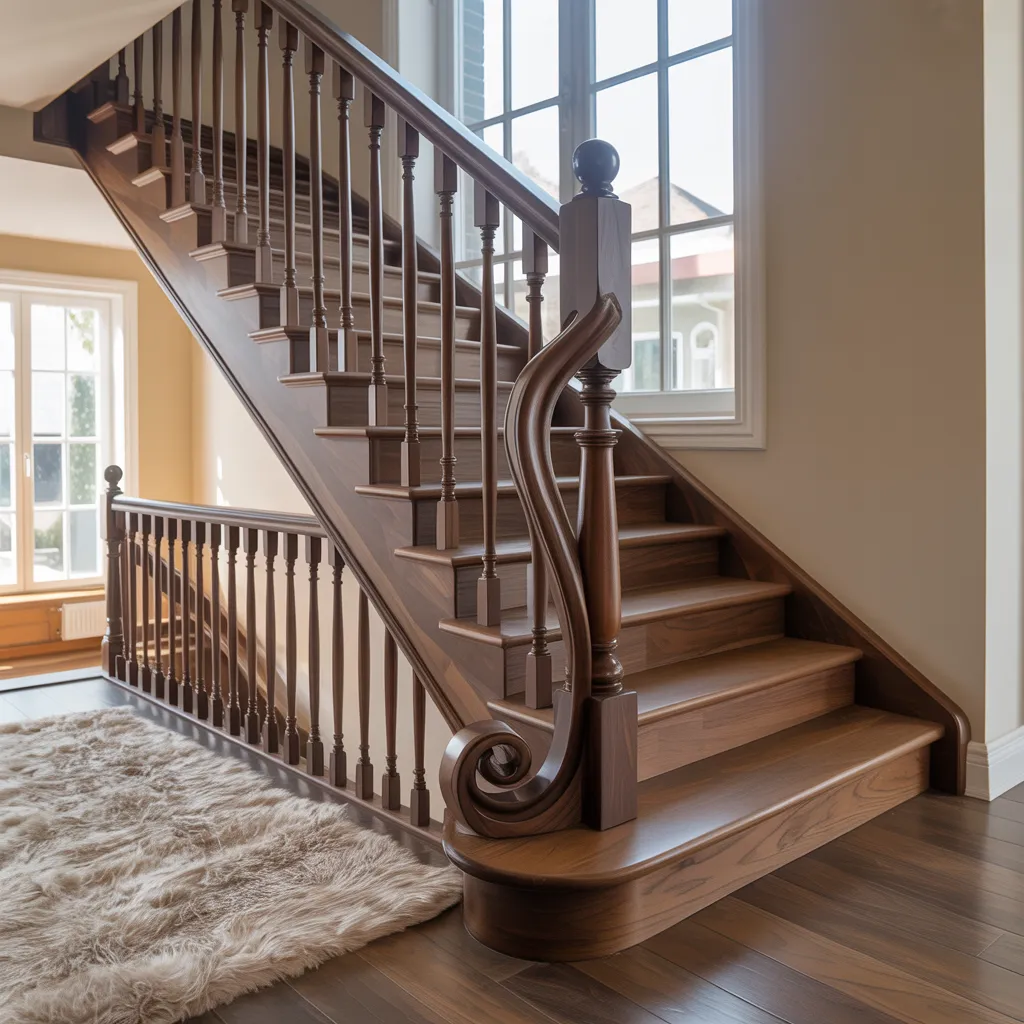
Why Hire a Proficient Carpenter for Personalized Woodwork?
Choosing a talented carpenter for bespoke woodworking can greatly improve the quality and aesthetics of a project. Expertise in woodworking ensures that each piece is crafted with accuracy, attention to detail, and a thorough understanding of materials. Experienced woodworkers have the necessary tools and techniques to turn ideas into functional designs, whether it be cabinets, furniture, or decorative elements. Their experience allows them to predict challenges and provide effective solutions, resulting in a finished product that matches the client's vision. Moreover, a proficient carpenter can offer advice into wood types, finishes, and design styles, improving the overall outcome. The investment in a seasoned woodworker often leads to superior craftsmanship that stands the test of time, providing both beauty and durability. Ultimately, choosing a experienced carpenter is crucial for achieving top-notch custom woodwork that enhances any space.
Discover Tailored Carpentry Solutions to Elevate Your Space
Custom woodwork options provide an extensive range of possibilities for upgrading any room, allowing homeowners to customize their environments with distinctive designs. From handcrafted cabinetry to detailed moldings, custom woodwork can remake ordinary rooms into extraordinary ones. bespoke solutions such as built-in shelves, decorative mantels, and custom furniture can boost functionality while adding aesthetic appeal.
Homeowners can pick from multiple wood types, finishes, and styles to design a cohesive look that complements their existing decor. The flexibility of wood permits for both modern and traditional designs, appealing to diverse tastes. Additionally, custom woodwork can meet specific needs, such as maximizing storage in small spaces or designing unique focal points in larger areas.
Key Qualities to Find in Your Carpenter
When beginning a custom woodwork project, it is crucial to find a carpenter who possesses key qualities that ensure both quality craftsmanship and effective communication. First and foremost, experience is important; a seasoned carpenter brings valuable skills and insights that can enhance the project. Careful precision is another key quality, as accuracy can significantly affect the final result. Additionally, creativity is important, allowing the carpenter to suggest innovative solutions that align with the client's vision.
Reliability remains crucial; a trustworthy carpenter keeps to schedules and respects project timelines, ensuring a smooth workflow. Strong interpersonal skills are essential, as they support clear discussions about ideas, expectations, and potential challenges. Finally, a good carpenter should exhibit a commitment to client happiness, prioritizing the client's needs and preferences throughout the project. By seeking these qualities, clients can achieve a successful partnership and exceptional custom woodwork outcomes.
What's the Best Way to Partner With Your Carpenter on Creative Plans?
Effective cooperation with a carpenter begins with openly communicating design visions. This transparent dialogue enables for a fruitful exchange of ideas, where both parties can contribute creatively. Valuing the carpenter's expertise can result in innovative solutions that enhance the overall project.
Convey Your Vision
How can property owners ensure their design ideas are properly conveyed to their woodworker? Clear communication is essential for successful collaboration. Homeowners should begin by creating visual materials, such as drawings, images, or mood boards, to demonstrate their concepts. This assists close any differences between imagination and execution. Additionally, reviewing specific dimensions, supplies, and final touches guarantees that anticipations align. Regular check-ins during the planning phase encourage an open dialogue, enabling for modifications and explanations as required. Homeowners should also be receptive to feedback, as carpenters often have valuable insights from their background. By creating a teamwork environment, homeowners can guarantee their vision is not just communicated but also understood and brought to life effectively by their skilled carpenter.
Embrace Creative Input
Engaging a carpenter unlocks architectural solutions that can strengthen any project. Productive collaboration centers on genuine dialogue, where stakeholders express their wishes and expectations while keeping an open mind to the professional's expertise. Sharing preliminary sketches, thematic boards, or design references can present relevant information, permitting the builder to appreciate the target aesthetic and purpose.
In addition, participating in brainstorming sessions nurtures a creative dialogue, where both parties can assess unique ideas and alternatives. The carpenter's proficiency can offer practical suggestions that strengthen the original vision, making sure the final product is both beautiful and functional. Ultimately, adopting creative input transforms a simple project into a personalized masterpiece, demonstrating the distinct style and needs of the client.
Approach to Calculating costs for Your Custom Woodwork Project?
What factors should one consider when budgeting for a custom woodwork project? First, the choice of resources notably impacts costs. High-quality wood, hardware, and finishes can increase the project's price. Second, the complexity of the design should be evaluated; intricate patterns or custom features require more time and skill, which can increase labor costs.
In addition, the size of the initiative plays an important role; larger pieces obviously necessitate more substance and labor. One must also be mindful of likely further expenditures, such as permits or deployment fees.
Finally, incorporating a buffer for unexpected costs guarantees the project remains within budget. By thoroughly assessing these factors, one can develop a realistic budget that reflects both view details the desired quality and the constraints of available funds. Planning ahead and working with a skilled carpenter can further aid in improving the budget, enabling a successful custom woodwork project.
The Long-Term Advantages of Personalized Wood Workmanship
Allocating funds toward custom woodwork transcends immediate costs, supplying remarkable lasting worth that can enhance both appearance and practicality in a space. High-quality craftsmanship secures durability, often exceeding the durability of factory-built options. Made-to-order items are tailored to address individual requirements, optimizing space and improving organization, which can lead to increased property value.
Additionally, the unique character of custom woodwork provides a personalized touch that elevates the ambient quality of a home or office. This bespoke quality often attracts clients and can make a home be noticed in the market.
Additionally, bespoke woodwork allows the use of sustainable materials, fostering environmentally responsible living. Clients often discover that the investment delivers value through decreased maintenance costs and the timeless appeal of handcrafted items. Fundamentally, artisan woodwork is not just a purchase; it's a obligation to excellence and individuality that can yield notable returns over time.
Commonly Requested Questions
Which Types of Wood Work Best for Custom Projects?
Hardwoods like oak, maple, and cherry are ideal for bespoke creations due to their strength and aesthetic appeal. Softwoods such as pine and cedar are also popular for their ease of use and affordability in various applications.
What Duration Should You Anticipate for a Custom Wood Project?
A bespoke wood undertaking usually requires anywhere from a few days to several weeks, based on the level of complexity, choice of materials, and skilled labor needed. Timelines can vary considerably based on the project's specific requirements and the carpenter's workload.
Is it feasible to review instances of Your Previous Work?
A portfolio featuring diverse works offers examples of past work. Interested parties can examine photographs and narratives that underscore expertise and design, illustrating the breadth and standard of completed tailored woodwork projects.
Do You Offer Warranties on Your Custom Woodwork?
Yes, warranties are supplied on made-to-order wood products, assuring quality and durability. This commitment demonstrates confidence in skilled creation, helping consumers to feel protected in their investment, understanding that any complications will be resolved right away.
How Do You Address Alterations During the Project?
Changes during the project are handled via open communication and collaboration. The carpenter talks about modifications with the client, guaranteeing all modifications align with the original vision while adapting to any additional needs or specifications efficiently.